


Mongolia is likely to restrict electricity again in the winter of 2026
At the meeting of the Standing Committee on Economic Affairs held on June 16, 2026, the Ministry of Energy and the Energy Regulatory Commission presented information regarding Mongolia's energy system and its current condition (https://itoim.mn/a/2026/06/16/society/koq?cb674ed1340234294d5960e435a97470).
In Mongolia, electricity demand increases by 150 MW annually, and generation sources commissioned so far have barely managed to cover this demand.
In 2025, national electricity consumption reached 12.5 billion kWh, representing an 8.2% or 948.6 million kWh increase compared to the previous year.
During the winter peak load period, Mongolia imports approximately 21% of its total energy consumption from China and Russia to cover shortages. However, technical limitations make it impossible to increase import capacity beyond this level.
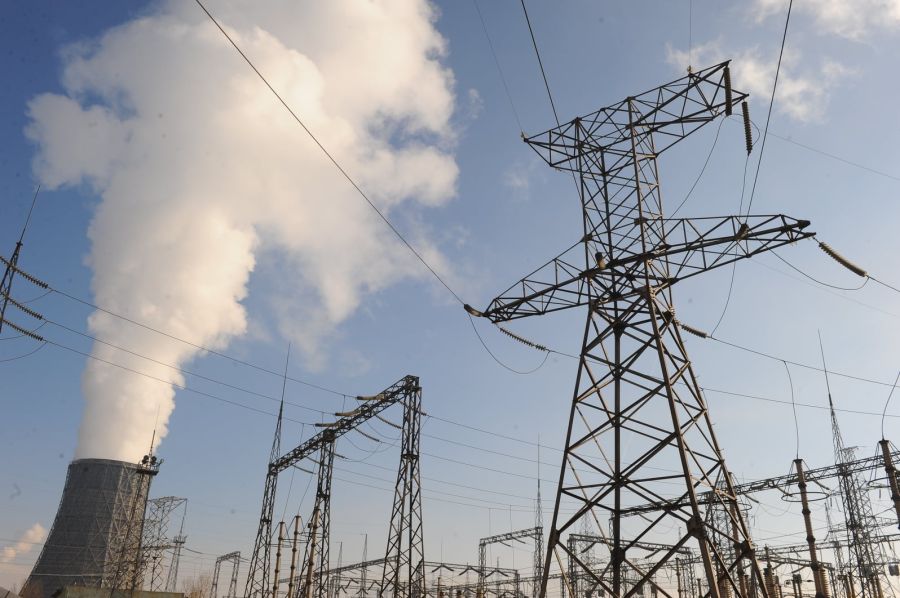
On June 2, 2025, an accident occurred in turbine No. 9 of Thermal Power Plant No. 3 (CHP-3), resulting in a loss of 50 MW power capacity. Replacing and commissioning this turbine requires 2 to 3 years. Additionally, due to operational issues at the newly commissioned Buuruljuut Power Plant that winter, it failed to supply its full capacity of 300 MW.
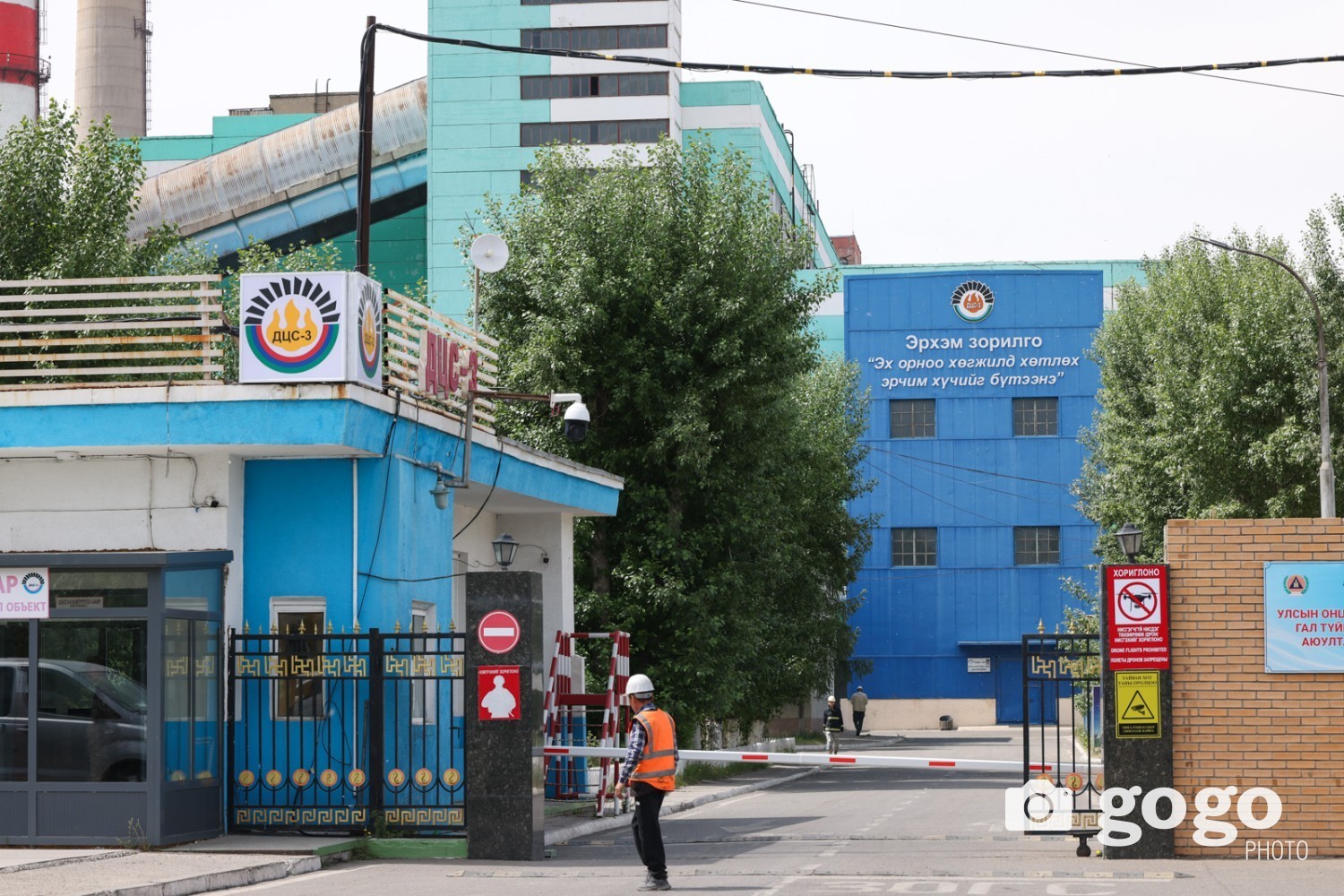
As a result, during the 2025–2026 winter peak load, the power system operated at maximum installed capacity without reserve equipment under emergency mode, reaching a maximum load of 1,803 MW. Peak electricity demand in Mongolia typically occurs between 17:00 and 22:00.
However, unexpected accidents during the 2025–2026 winter caused a power deficit of 227 MW. Consequently, nationwide—including in Ulaanbaatar—daily electricity restrictions averaging around 4 hours (typically split into 2 hours in the morning and 2 hours in the evening) were implemented from December 15, 2025, to late February 2026 (https://energy.gov.mn/post/172208).
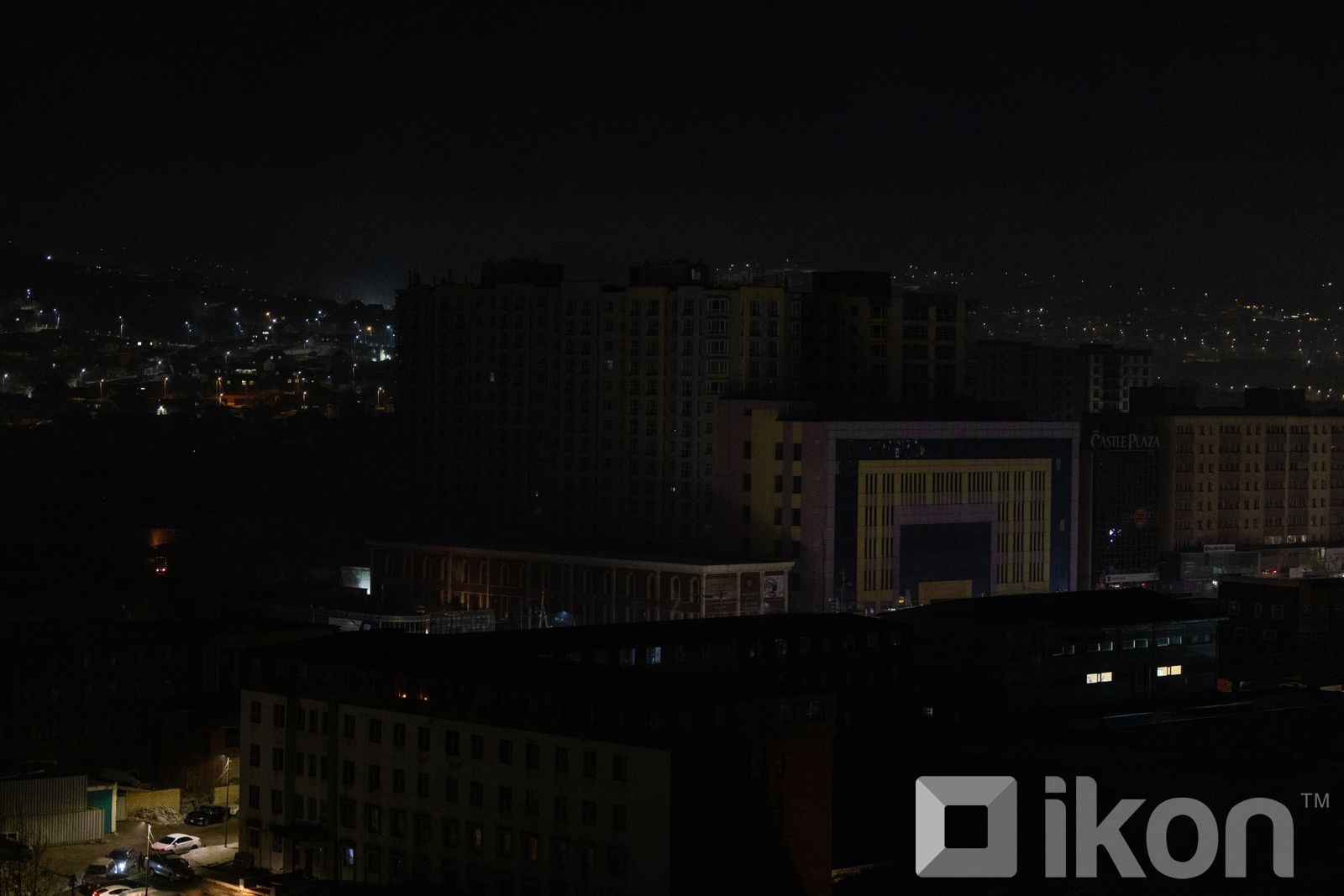
Yet, in autumn 2025, relevant officials had reported that these accidents and deficits were not critical. As a result, businesses and citizens were unprepared, causing severe risks such as business operations disruptions, equipment damage, and product spoilage.
During the 2025–2026 winter, 78% of total electricity consumption (9.8 billion kWh) was met by domestic generation, while the remaining 22% (2.7 billion kWh) was supplied via imports (https://gogo.mn/r/2m7773).
By 2030, electricity consumption in the capital city is projected to reach 3,328 MW, with the power capacity deficit estimated to reach 1,848 MW.
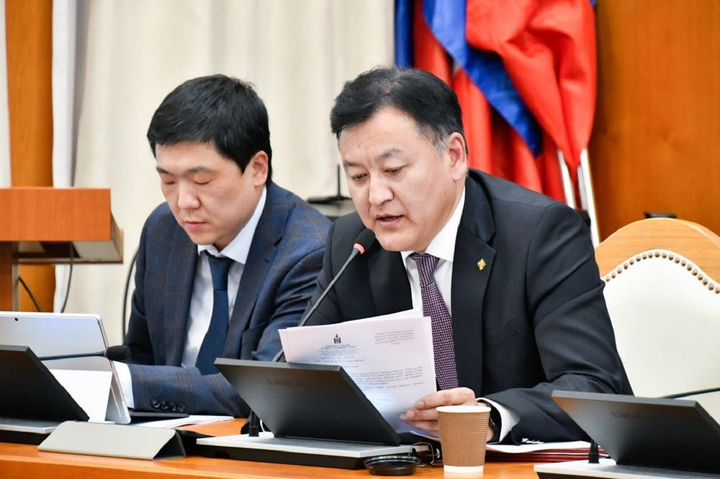
According to information presented by Minister of Energy B. Naidalaa at the Standing Committee on Economic Affairs meeting on June 16, 2026, peak load for the 2026–2027 winter is projected to reach 1,950 MW, posing a realistic risk of a 150 MW capacity deficit in the energy sector.
Although specific measures are underway to cover this shortfall, they will only compensate for the additional 150 MW demand added in 2026. There remains a very high risk of facing a situation similar to the 2025–2026 winter, and Minister B. Naidalaa noted to press representatives that the upcoming winter will likely be managed through planned electricity restrictions (https://gogo.mn/r/2m73x3).
Due to these conditions, the demand and reliance on backup diesel/gas generators have risen sharply across Mongolia, particularly in Ulaanbaatar.